Optimal Timing for Tree Removal
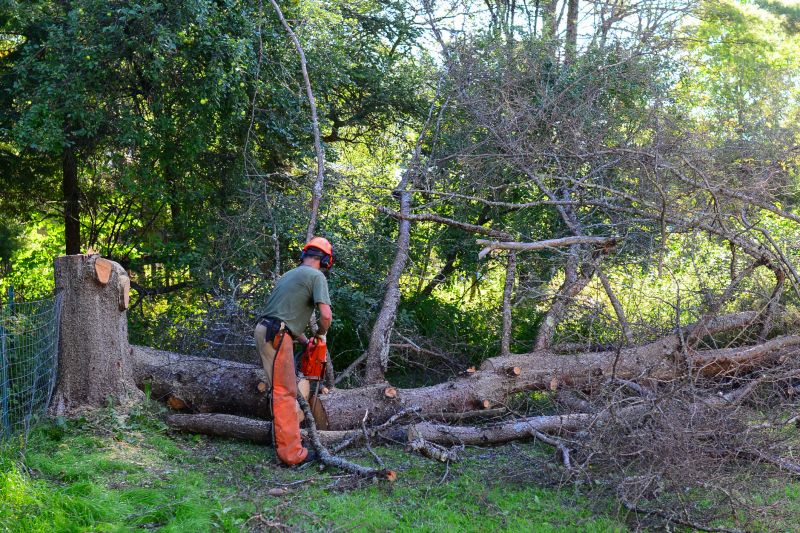
Spring offers moderate weather conditions, making it suitable for tree removal projects before the peak growing season.
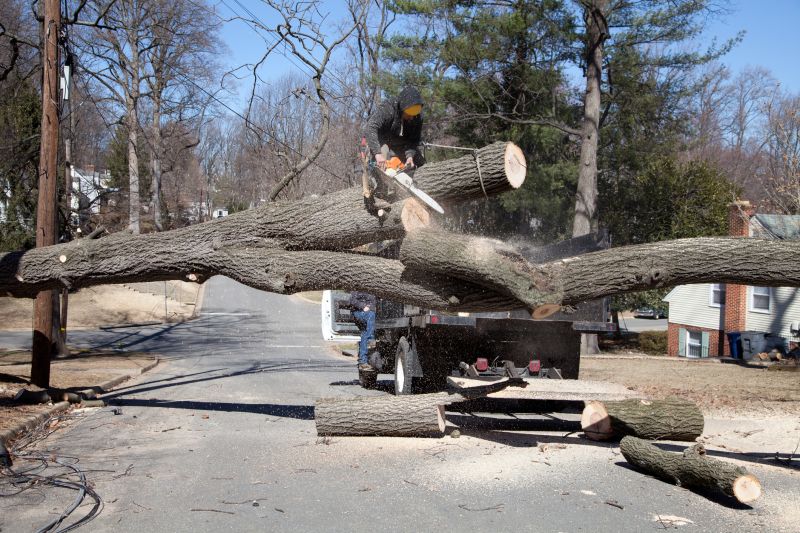
Summer can be challenging due to heat and increased foliage, but early summer removals are possible with proper planning.
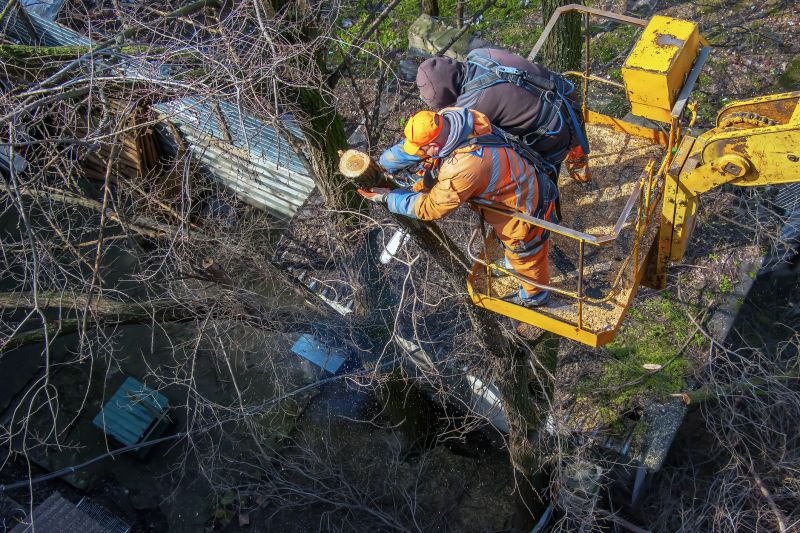
Fall provides cooler temperatures and less foliage, facilitating safer and more efficient tree removal operations.
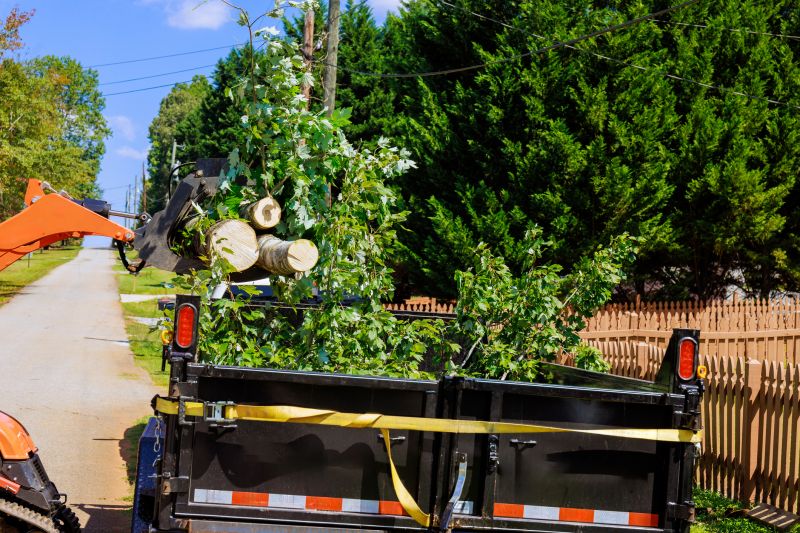
Ways to make Tree Removals work in tight or awkward layouts.
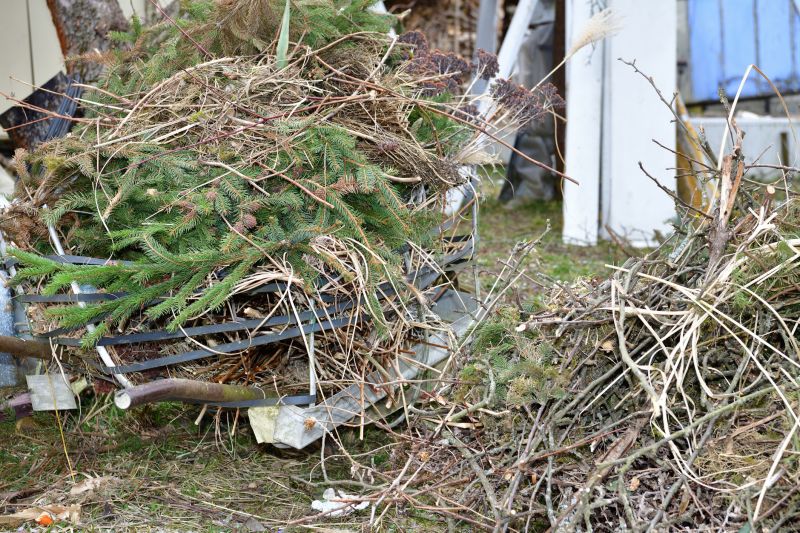
Popular materials for Tree Removals and why they hold up over time.
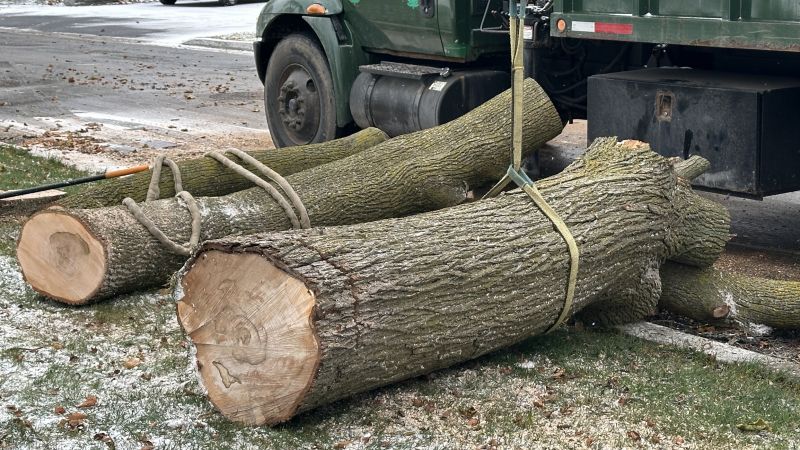
Simple add-ons that improve Tree Removals without blowing the budget.
Tree removal timing depends on various factors including weather conditions, tree health, and growth cycles. Proper timing ensures safety, minimizes damage to surrounding landscapes, and promotes efficient work. Generally, late fall and winter are considered optimal periods for tree removals because of reduced foliage and milder weather, which can lead to fewer delays and complications.
Statistics show that tree removals performed during dormancy periods tend to result in fewer complications and quicker recovery of the landscape. In addition, removing trees during these times minimizes disruption to nearby vegetation and reduces the risk of pest infestations or disease spread. Planning removals during the appropriate season can also lead to cost savings and improved safety outcomes.
Spring removals can be scheduled before the tree enters its active growth phase, reducing stress on surrounding plants.
These seasons typically offer cooler weather, less foliage, and easier access, making tree removal safer and more efficient.
Rain, wind, and extreme temperatures can delay or complicate tree removal projects, emphasizing the importance of choosing the right season.
Healthy trees are often easier to remove during dormancy, reducing the risk of unexpected issues during the process.
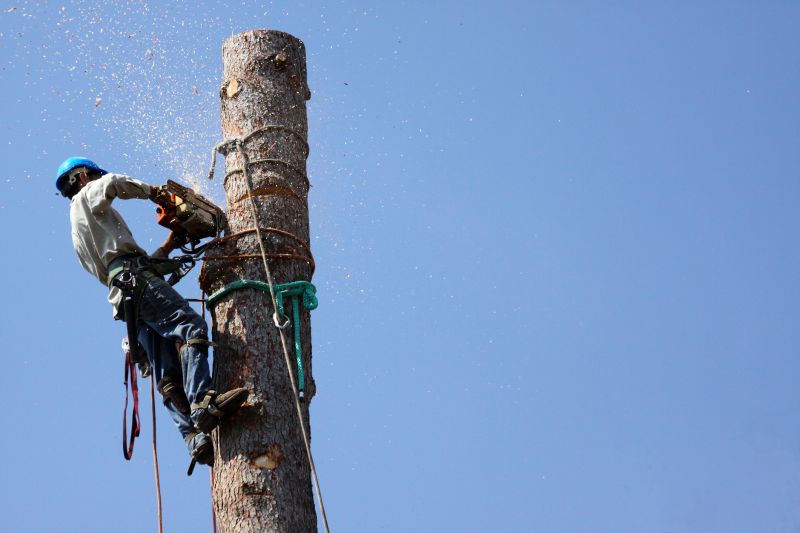
Specialized tools and machinery are used for safe and efficient tree removal.
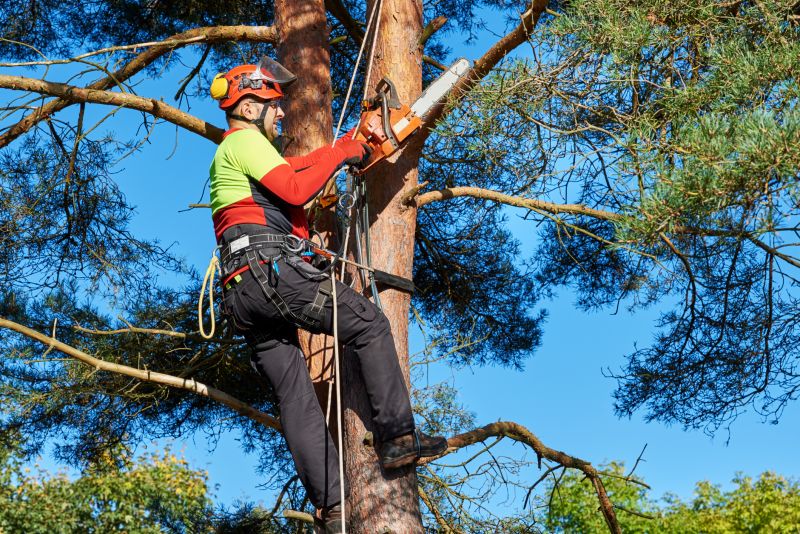
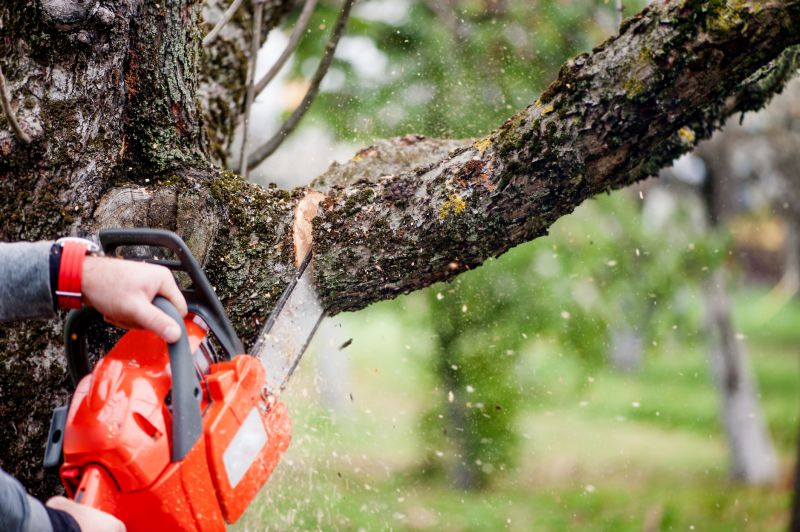
Proper techniques minimize risk and ensure clean cuts during removal.
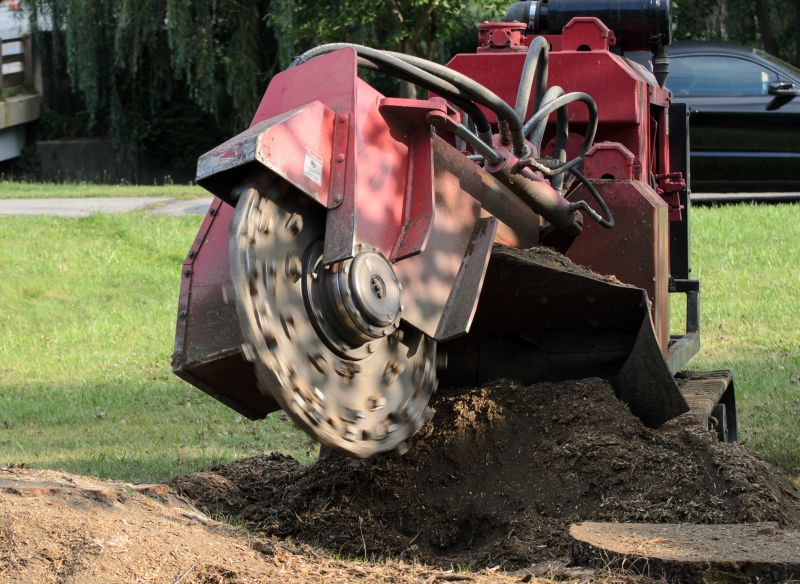
Stump grinding is often performed after tree removal to clear the landscape.
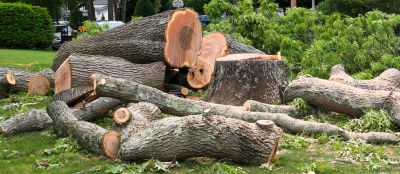
Proper cleanup and landscape restoration follow successful tree removal projects.
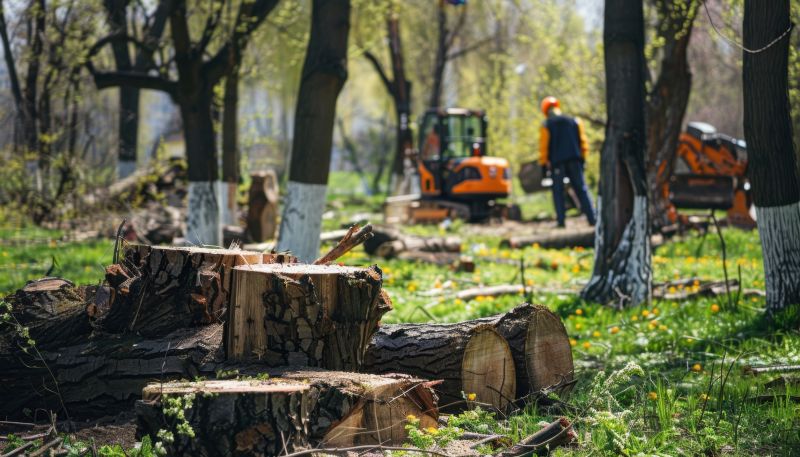
High-end options that actually feel worth it for Tree Removals.
Finishes and colors that play nicely with Tree Removals.
| Season | Ideal Conditions |
|---|---|
| Spring | Moderate temperatures, pre-growth period |
| Summer | Warmer weather, early summer preferred |
| Fall | Cooler temperatures, less foliage |
| Winter | Dormant period, least foliage |
| Late Fall | Optimal for safety and efficiency |
| Early Winter | Ideal for large or hazardous trees |
Choosing the appropriate time for tree removal can influence safety, cost, and landscape recovery. Consulting with a professional arborist can help determine the best season based on tree condition and local weather patterns. Proper timing reduces risks associated with wind, rain, and other weather-related challenges.
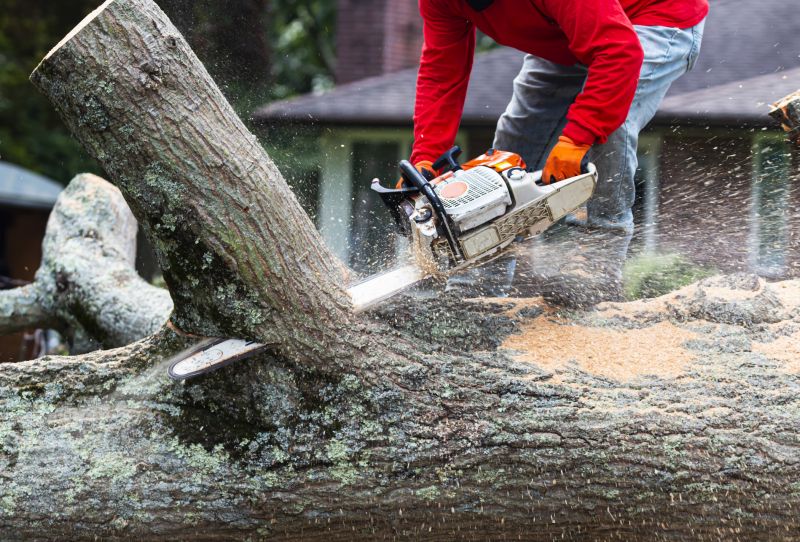
Effective planning considers seasonal weather and tree health.
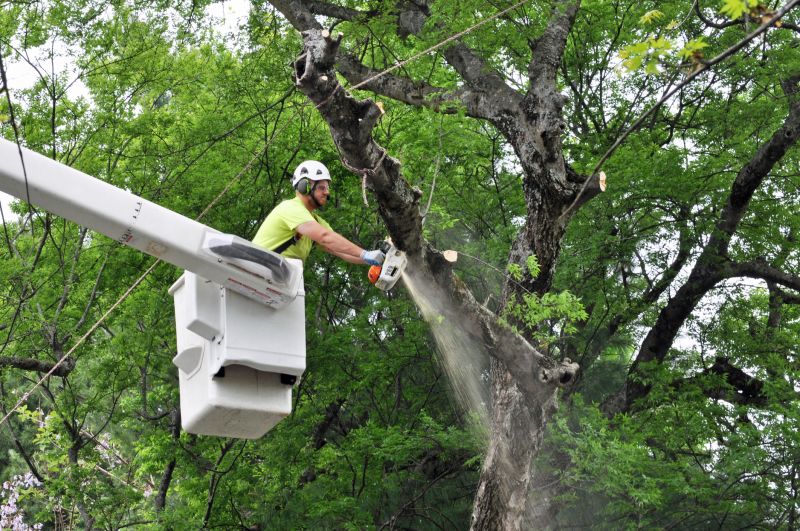
Timing and proper equipment are essential for safety.
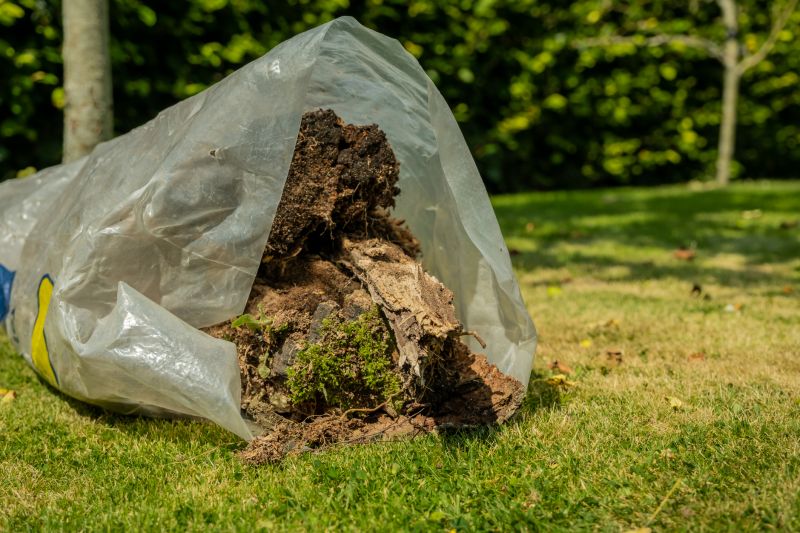
Post-removal landscaping can be scheduled for optimal seasons.
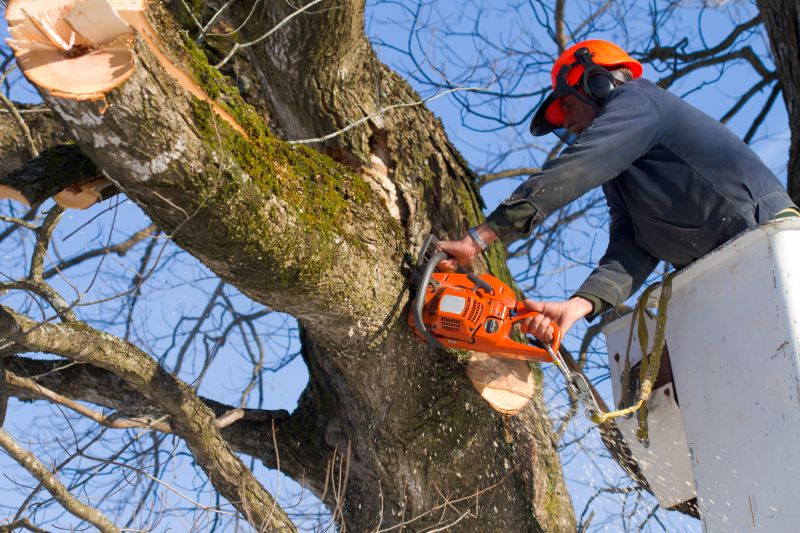
Monitoring helps determine the best removal time.

Little measurements that prevent headaches on Tree Removals day.
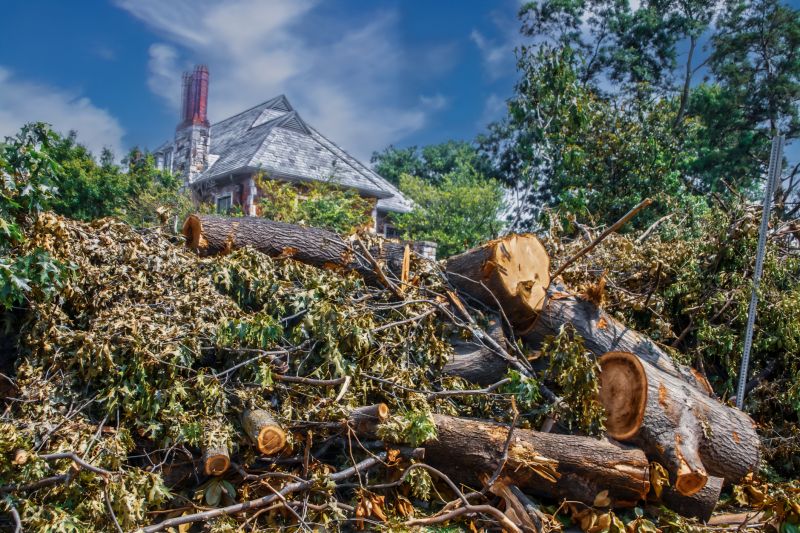
A 60-second routine that keeps Tree Removals looking new.
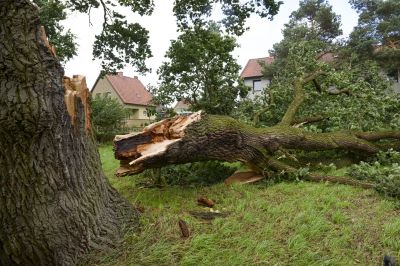
A frequent mistake in Tree Removals and how to dodge it.
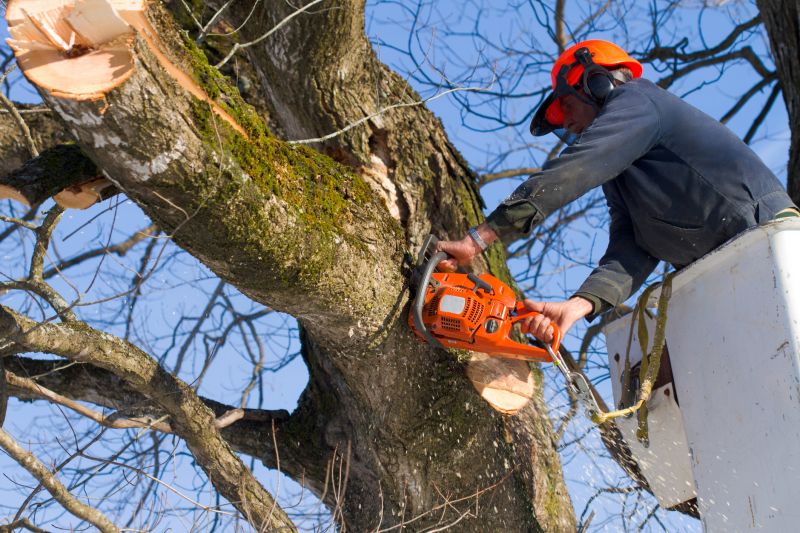
Small tweaks to make Tree Removals safer and easier to use.
Interested in scheduling a tree removal? Filling out the contact form can provide tailored advice on the best timing for specific trees and landscape conditions. Proper timing ensures a safer process and optimal results for landscape management.