
Popular Tree Removal Products For Safe and Effective Work
Discover essential tools and gear that help you perform tree removal tasks with precision, safety, and confidence every time.
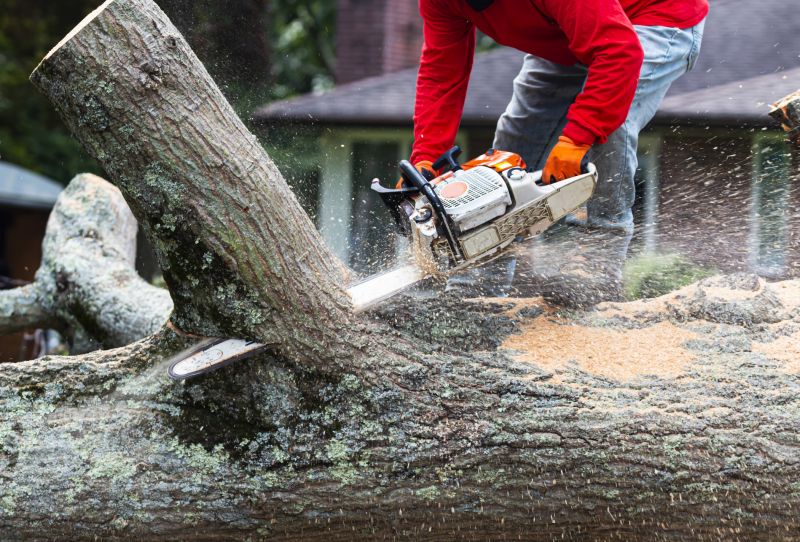 Tree removal is a task that requires careful planning and the right tools to ensure safety and efficiency. Whether dealing with dead, diseased, or hazardous trees, selecting appropriate products can help facilitate the process. From manual tools to powered equipment, there are various options suited for different scales and complexities of tree removal projects. Proper equipment not only makes the task easier but also helps minimize potential risks associated with falling branches or unstable trees.
Top Overall Option
Multi-Functional Tree Removal Kit
A comprehensive tree removal kit that includes a versatile chainsaw, pruning tools, safety gear, and accessories designed for various tree removal tasks. This all-in-one set provides the essential equipment needed for small to medium tree work, offering flexibility and convenience for property owners and professionals alike.
Types of Products For Tree Removals
Chainsaws
Powerful tools designed for cutting through large branches and trunks, essential for efficient tree removal.
Pole Saws
Extendable saws that allow for cutting high branches safely from the ground.
Pruning Saws and Shears
Manual tools ideal for trimming smaller branches and shaping trees before removal.
Hand Pruners
Compact cutting tools suited for detailed trimming and branch removal.
Ropes and Pulleys
Assist in controlling the fall of branches and trees, enhancing safety during removal.
Safety Helmets and Gloves
Protective gear to reduce injury risks during tree work.
Ladders and Climbing Gear
Support safe access to higher branches or difficult-to-reach areas.
Wedges and Axes
Tools used to direct the fall of trees or to remove stubborn branches.
Stump Grinders
Equipment used to remove remaining stumps after tree removal.
Debris Bags and Chutes
Help in collecting and managing cut branches and debris for easier cleanup.
Tree Climbing Spikes
Gear designed to assist in climbing and working safely at height.
Hydraulic Tree Removal Machines
Heavy-duty equipment suitable for large-scale or professional tree removal projects.
Grapple Hooks
Tools used to grip and lift heavy branches or logs efficiently.
Tree Removal Harnesses
Safety equipment that provides support and stability for climbers.
Popular Choices
Portable and easy to handle, ideal for quick and accessible tree trimming.
Convenient for reaching high branches without ladders.
Versatile tools for detailed trimming of smaller branches.
Essential protective gear for safe operation.
Provide safety and support for working at height.
Facilitate controlled lowering of large branches.
Accessories compatible with power tools for stump grinding.
Help contain and manage fallen debris during removal.
Offer mobility and power for high-reach cutting tasks.
Useful for chopping small branches or clearing brush.
Heavy-duty tools for handling large logs and branches.
Provide extra cutting power for thicker branches.
Popular for professional arborists and serious DIYers.
Compact equipment suitable for small-scale stump removal.
Critical for ensuring safety during high work.
When considering tree removal products, it is important to evaluate the size and type of the tree, the location of the removal site, and the experience level of the operator. For small to medium trees, handheld tools like pruning saws and pole pruners can be effective for trimming and preliminary cuts. For larger trees, more robust equipment such as chainsaws, pole saws, and grapple hooks are often necessary to handle the workload safely.
Safety gear is also a crucial component of any tree removal project. Items such as helmets, gloves, eye protection, and harnesses can significantly reduce the risk of injury. Additionally, accessories like ropes, pulleys, and wedges can assist in controlling the direction of a falling tree or branch, ensuring a safer removal process. Proper planning and the right assortment of tools can make even challenging tree removal tasks more manageable and safer for both professionals and DIY enthusiasts.
In Yorba Linda, CA, where tree maintenance is often part of property upkeep, having access to reliable and effective tree removal products can be invaluable. Whether for routine pruning or emergency removals, investing in quality equipment tailored to your specific needs can help ensure the task is completed efficiently and safely.
Key Buying Considerations
- Assess the size and type of the tree to determine the appropriate tools and power requirements.
- Safety features and protective gear should be prioritized to minimize risks.
- Ease of use and ergonomic design can impact efficiency and comfort during operation.
- Power source options include corded, cordless (battery-powered), or gas-powered, each with pros and cons.
- Durability and build quality are important for long-term use and safety.
- Compatibility of accessories and attachments can expand the versatility of your equipment.
- Weight and portability are crucial for maneuverability, especially for handheld tools.
- Noise levels may be a consideration, particularly in residential areas.
- Availability of replacement parts and service support can influence long-term satisfaction.
- Budget constraints should be balanced with the quality and features needed for your projects.
- Consider whether professional-grade equipment is necessary or if DIY tools suffice.
- Check for user reviews and ratings to gauge real-world performance.
- Ensure that the equipment complies with local safety standards and regulations.
- Evaluate the ease of maintenance and cleaning to keep tools in optimal condition.
- Think about storage options to keep equipment organized and protected.